Complete Guide to What Can and Cannot Go in Your Dumpster
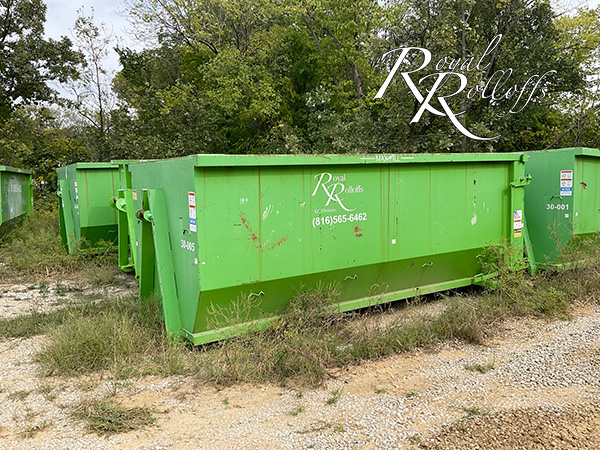
As you prepare for your next cleanout or remodel in the Independence, MO community, being aware of acceptable and prohibited items is very important. It often surprises people to learn that some waste requires special handling. This knowledge helps reduce complications, additional fees, and compliance issues during your project. At Royal Rolloffs, our goal is to make disposal straightforward by guiding you through what is acceptable and what must be handled separately. This information allows you to maximize your rental and avoid problems.
Handling waste correctly is not just about making things easier. It helps meet city and state rules, creates a safer environment, and helps preserve the environment. Knowing what is allowed and what is restricted, you can keep your project running smoothly from start to finish. In this guide we outline typical types of debris, shows what to avoid, and shares best practices for preparing materials.
Residential Junk and Everyday Trash
Household clutter is typically permitted. Items like old furniture, clothing, toys, cardboard, paper, and non-hazardous trash are all acceptable. They are usually the first things thrown away during a home purge. When tackling a garage, basement, or attic cleanout, these are typically the first items to go into the container. Stacking and arranging these items helps you use space wisely.
General debris from household projects, such as drywall, flooring, wood scraps, and shingles, can also be placed in a dumpster. They are frequently produced during home upgrades. Breaking apart bulky items and placing heavy debris first helps maximize space. This creates a stable load and allows more room for lighter materials on top. Loading carefully means fewer trips and a cleaner worksite.
Green Waste and Exterior Cleanups
Most green waste like grass, branches, and leaves can be tossed in. These containers are convenient for major landscaping or seasonal yard work. Separating green waste from general junk helps with recycling and disposal rules. Our team advises clearing bulky stumps first, because they often require additional handling.
Outdoor fixtures can be tossed if free from hazardous finishes. Avoid wood treated with dangerous chemicals, as those materials may require different disposal methods. You can add masonry debris but spread it throughout to keep weight level. Even loading protects the container and ensures safe hauling.
Items That Are Not Allowed
Specific hazardous items are prohibited for health and environmental safety. Paint, solvents, and toxic materials must be kept out. These substances can leak or react, creating dangerous conditions for waste handlers and the environment. Your local hazardous waste program can direct you to the right facility.
Units with refrigerants require special preparation before being loaded. Electronics, batteries, and fluorescent bulbs often require special handling due to the presence of heavy metals or chemicals. Sharps, medical debris, and hazardous soil must not be disposed of in a dumpster. Learning the prohibited items early avoids project delays.
Construction and Demolition Debris
Construction and demolition debris is one of the most common uses for dumpster rentals. You can toss concrete, shingles, wood, and metal into the container safely. Grouping debris by category helps reduce landfill waste and supports sustainable disposal. We coordinate with project managers to make sure construction materials are disposed of properly.
Tear-down projects generate large quantities of waste like tiles, plaster, and glass. These items are safe to place in the dumpster as long as they do not contain asbestos or other hazardous materials. Any asbestos must be identified and handled by qualified personnel. Careful planning before demolition begins helps avoid delays and keeps the jobsite safe for everyone involved.
Best Practices for Heavy Loads
You can load rock and soil but special care is necessary. Too much heavy debris risks violating weight limits. Pay attention to load capacity when adding these materials. Sometimes extra containers are required for safety.
Spread heavy material evenly across the container floor. This prevents damage to the dumpster and reduces the risk of issues during pickup. Contacting our team in advance about the type of heavy materials you plan to dispose of allows us to recommend the best approach. Thinking ahead helps you stay within safe loading practices.
Sustainable Waste Management
Eco-conscious waste handling safeguards public health and natural resources. By keeping hazardous items out of the dumpster and recycling where possible, you reduce the amount of waste going to the landfill. We partner with recycling and disposal facilities for responsible waste processing. This effort maintains a healthier community in Independence, MO.
Collecting recyclables before loading aids eco-friendly disposal. It benefits both the environment and the disposal process. Royal Rolloffs provides guidance on best practices for waste sorting to make the process straightforward. Taking these steps allows customers to complete projects responsibly while staying in compliance with disposal regulations.
Making Dumpster Rentals Work for Every Project
Understanding what belongs website in the container keeps your project organized. In Independence, MO, Royal Rolloffs is trusted to supply both containers and helpful advice. Smart preparation and sorting keep the work flowing smoothly. We are here to help make disposal simple, safe, and efficient for every type of job. No matter if it’s a cleanout, renovation, or outdoor project, we ensure your container meets your needs.